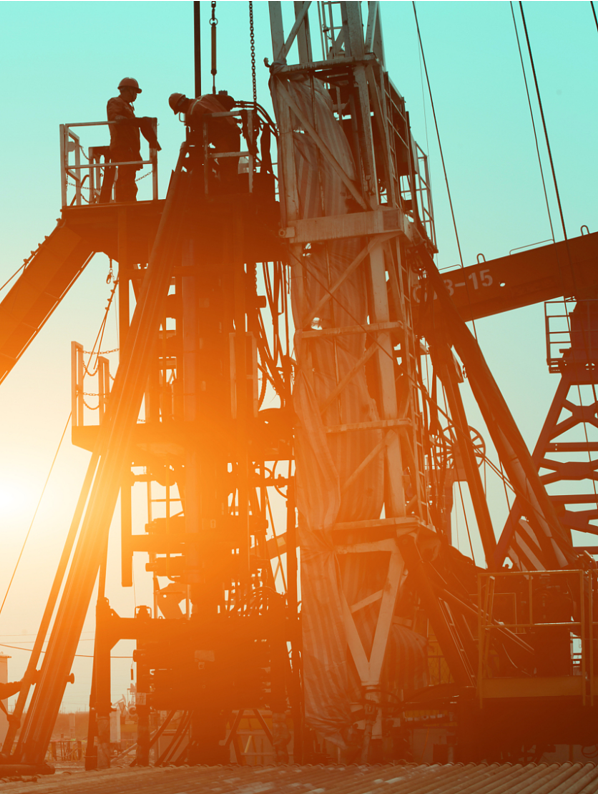
We are deeply committed to the core segments of the oil and gas industry, building a framework for the coordinated development of our three main business lines, and creating a closed-loop, integrated oil and gas field development service system that comprehensively addresses all needs throughout the entire oil and gas field development and production process.
Forty years of craftsmanship and tradition, pursuing our dreams in a new era. Looking ahead, Shenghua Industrial will continue to focus on the core needs of oil and gas fields for quality improvement and efficiency enhancement, adhering to the development philosophy of professionalism, innovation, pragmatism, and mutual benefit, and will continue to deepen technological innovation, optimize our service system, and enhance product quality. Leveraging our comprehensive capabilities across the entire value chain, we will empower the high-quality development of the domestic and international oil and gas industries and strive to become a trusted, international benchmark for comprehensive oil and gas field services.
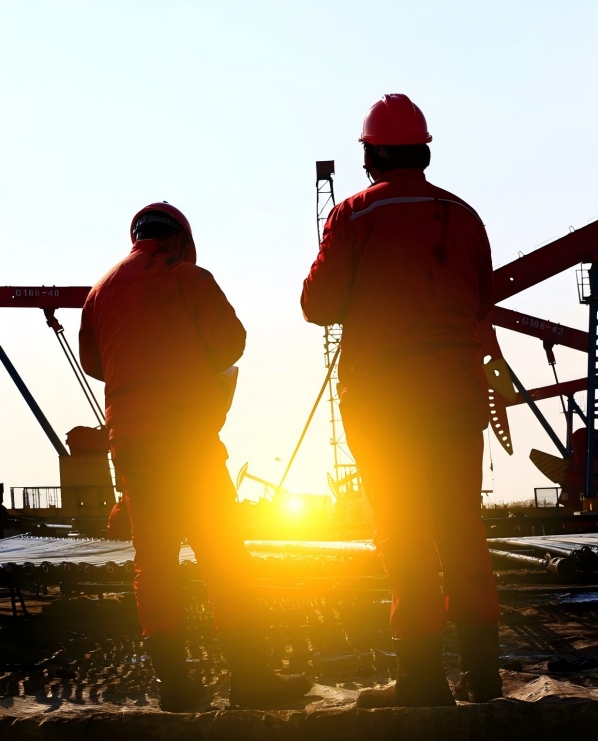
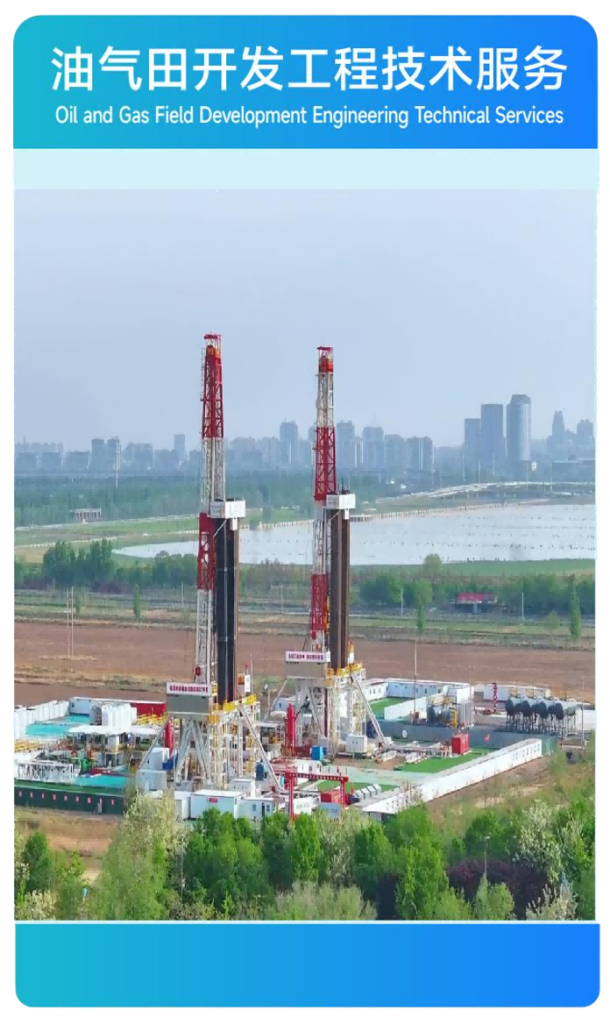
We are deeply committed to the core segments of the oil and gas industry, building a framework for the coordinated development of our three main business lines, and creating a closed-loop, integrated oil and gas field development service system that comprehensively addresses all needs throughout the entire oil and gas field development and production process.
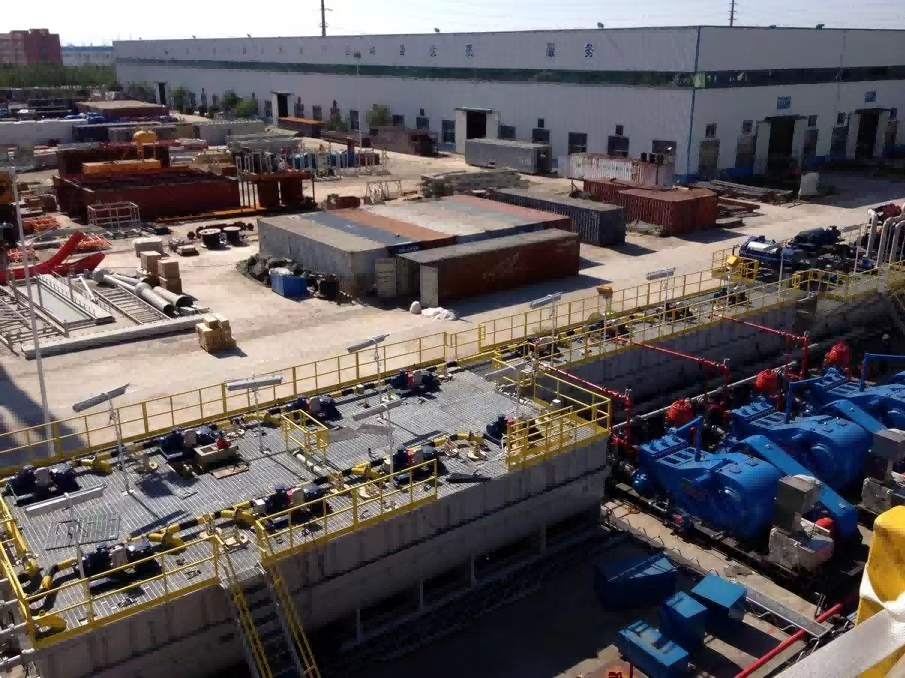
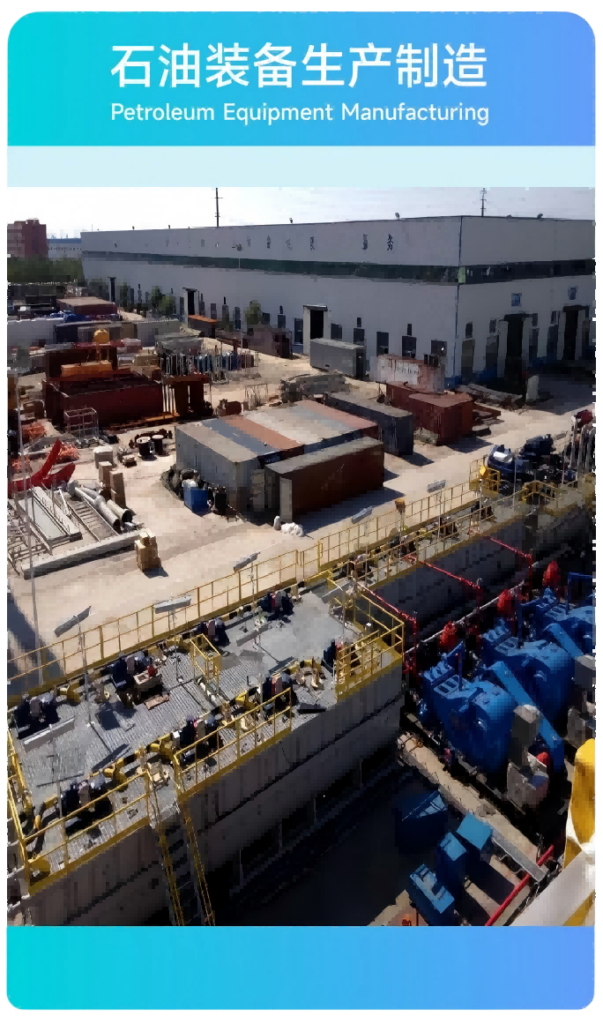
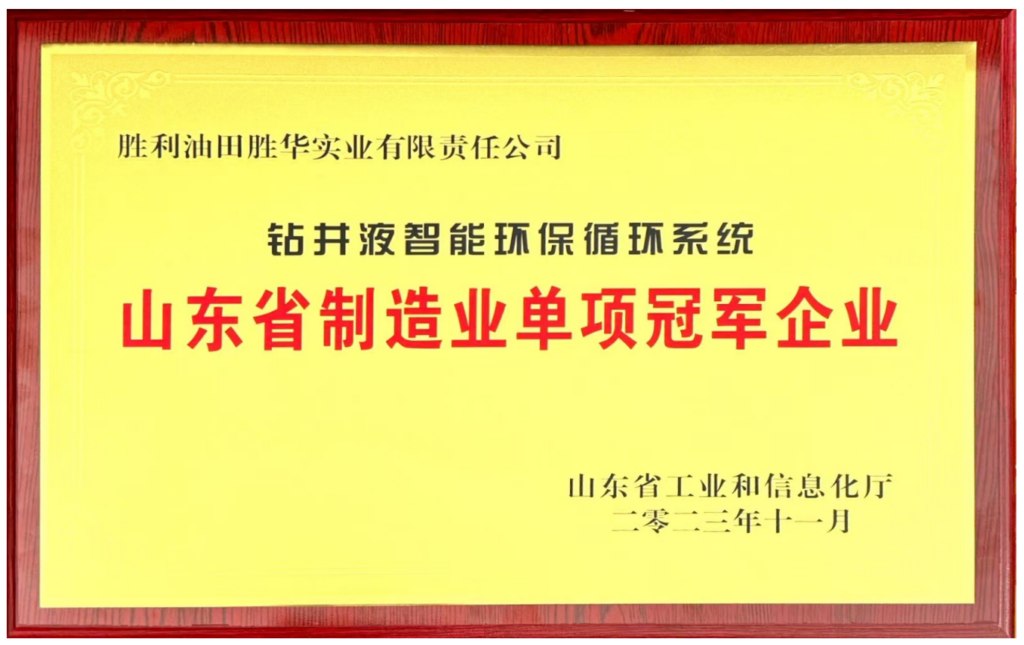
Its main products include petroleum machinery and equipment, mobile housing units, tools and accessories, mud circulation systems, Class I/II pressure vessels and pressure pipeline components, metal riveted and welded products, intelligent downhole power supply systems, explosion-proof electrical equipment, and oilfield safety and environmental protection equipment. From 2024 to 2025, the company won bids for a total of 44 subcategories across 9 major categories of various materials supplied to Sinopec. Among these, the intelligent and environmentally friendly drilling fluid circulation system was recognized as a “Shandong Provincial Manufacturing Single-Item Champion.”
Processes such as oil removal and suspended solids removal are applied to oilfield produced water to enable the reuse of wastewater as a resource and reduce the environmental impact of oilfield development.
Drilling rig fuel tanks are specialized containers for fuel storage at drilling sites, designed for the safe storage and transfer of diesel and other fuels for drilling rigs to ensure a continuous fuel supply during drilling operations.
The drilling mud agitation system prevents solid particles from settling by continuously agitating the drilling fluid, thereby maintaining stable mud properties and ensuring the continuous and smooth operation of drilling operations.
Camping units / mobile multifunctional modular units are modular living quarters designed for field operations at oilfields. They can be quickly assembled, disassembled, and relocated, and integrate functions such as accommodation, office space, and power distribution, making them well-suited for remote oilfield sites.
The drilling fluid solids control system separates and purifies drilling fluid by removing cuttings and impurities, optimizes mud properties, and adapts to various field drilling conditions.
The mud circulation cooling system provides real-time cooling for the circulating drilling fluid, controls the mud temperature, and is suitable for deep-well and high-temperature drilling operations.
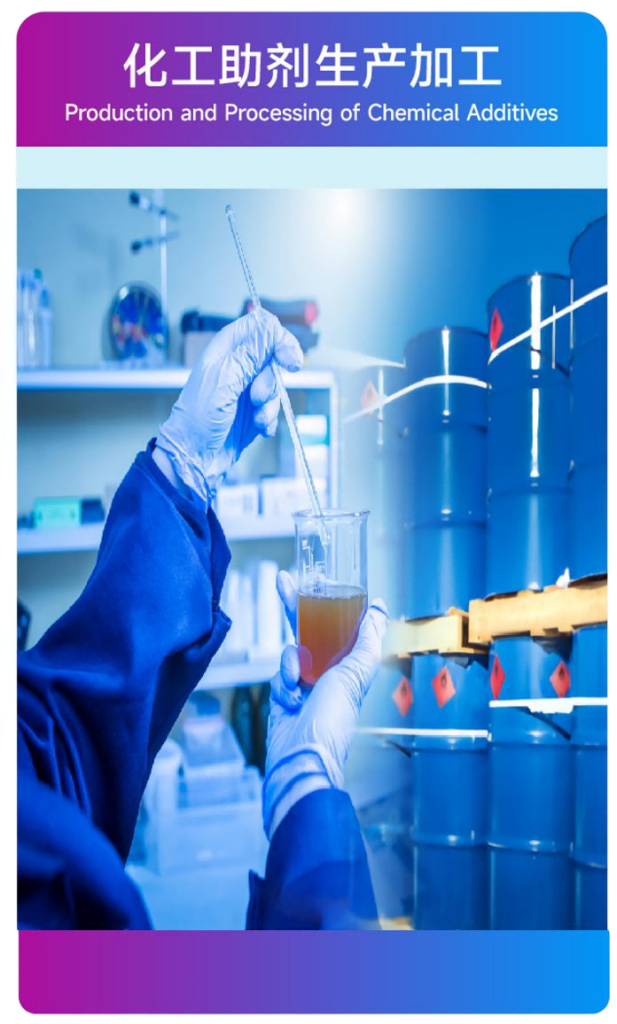
Drilling additives include a wide range of products such as weighting agents, loss-control agents, and plugging and collapse-prevention agents, with an annual production capacity of over 100,000 metric tons. Twenty-two of these products are included in Sinopec’s framework procurement program. As a key supplier to Sinopec, the company ensures safe and stable downhole drilling operations through its one-stop R&D, production, testing, and on-site technical support services.
The oil production additives production line began operations in 2024. Its product range includes swelling inhibitors, de-blocking agents, viscosity reducers, and profile-adjusting oil displacement agents, suitable for various reservoir types such as low-permeability and heavy oil reservoirs. These products have been deployed on a large scale at Sinopec and CNPC sites, with custom-formulated agents available upon request, supported by comprehensive end-to-end technical services.
With integrated capabilities in formulation R&D, manufacturing, quality testing, and on-site technical support, we can customize oilfield chemicals for various geological conditions to precisely address a wide range of challenges in drilling and oil production.
Our additive products are widely used in complex operating conditions such as water-flooded low-permeability reservoirs, heavy oil, and seawater drilling. They have been included in the procurement frameworks of Sinopec and CNPC, and through customized chemical solutions combined with on-site technical services, they help improve the quality and efficiency of low-productivity reservoirs.
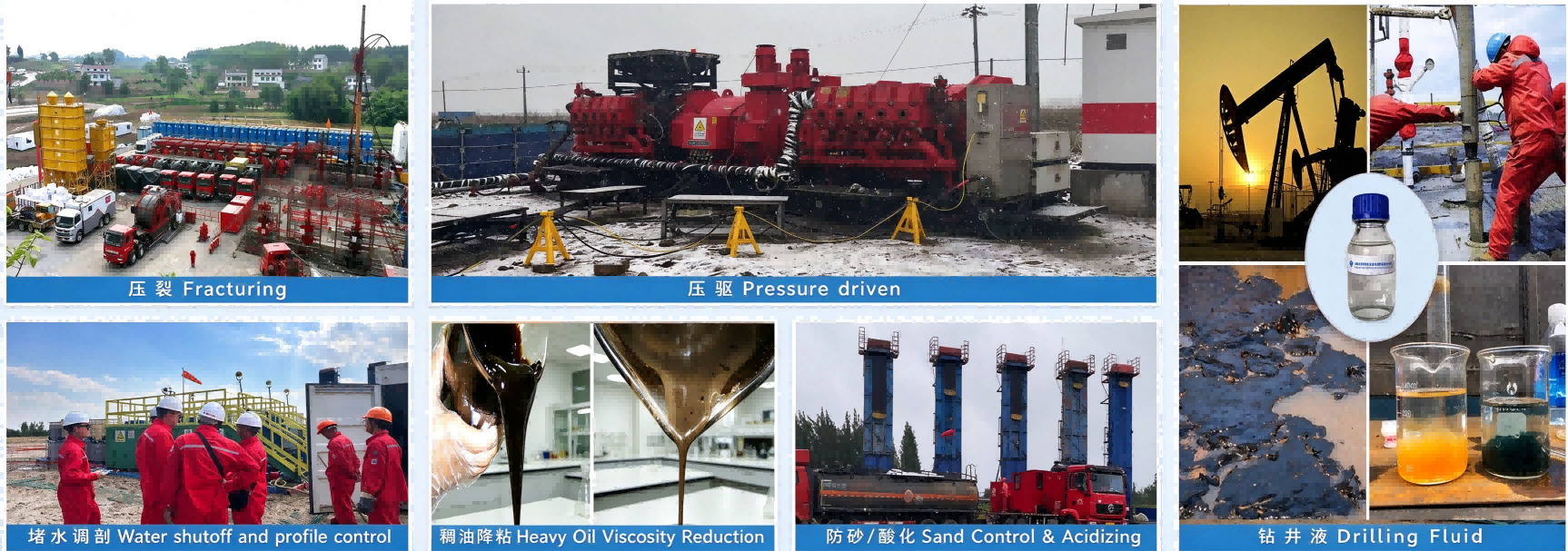
The company's oilfield chemical additives are widely used inFracturing, pressure flooding, water shutoff and profile adjustment, heavy oil viscosity reduction, sand control acidizing, drilling fluidFor core operational scenarios such as these, we leverage our one-stop capabilities in R&D, production, quality inspection, and on-site technical services to customize chemical agents tailored to different reservoir conditions as needed. We comprehensively address the requirements of drilling and production enhancement operations, helping mature oilfields and low-efficiency blocks improve quality and increase efficiency.
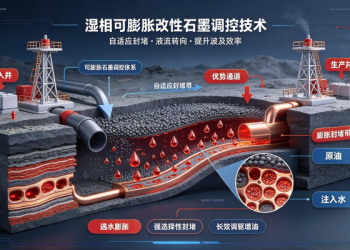
Congenital Deficiency: The oil and gas reservoirs themselves have poor natural conditions; this is not due to damage caused by human activity during the development process, but rather because they have “inherently poor conditions”;
Energy Crisis: The formation lacks sufficient natural driving force to push oil and gas smoothly into the wellbore, resulting in a rapid decline in production.
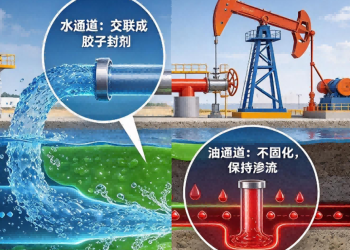
EnterWater Injection PhaseAfterward, the injected water does not follow a uniform path but rapidly flows along high-permeability channels, formingWater-driven short circuit;
Throughout the entire reservoirAdvantage Channels Dominate Water Dynamics...The water flows out from here first, leaving a large amount of crude oil behind in the low-permeability zones where it cannot be recovered.
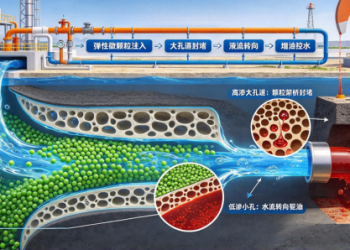
EnterEnhanced Oil Recovery (EOR) Polymer FloodDuring this stage, the injected polymer solution will still flow along the high-permeability channels within the formation;
Requires matching itemsProfile Adjustment TechnologySealing large pores in advance or simultaneously ensures the smooth progress of the polymer flooding system and enables crude oil displacement, effectively serving as a “safeguard” for the polymer flooding process.
As the oilfield enters the ultra-high water-cut development phase, it facesThe Development Dilemma of "Double-High" Conditions: High Water Content and High Recovery Rate;Total moisture content > 90%, with some oilfields having standards greater than 95%.
Residual oil is distributed in highly scattered pockets; therefore, targeted measures must be implemented based on a detailed reservoir characterization to accurately tap into residual oil reserves and slow the decline in production.
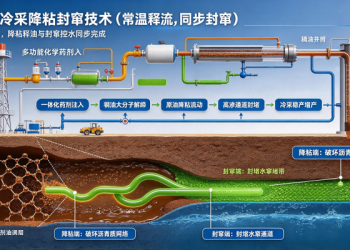
Heavy oil has a high gel and asphaltene content, and its viscosity is extremely high, causing it to become firmly locked in place like asphalt, making it virtually immobile within the formation;
By using thermal, chemical, and solvent-based methods to reduce the viscosity of crude oil and improve its flowability, heavy oil can flow into the wellbore for extraction.
Crude oil is stored in large quantities within dense matrix rock formations. The permeability of the matrix is extremely low, making it difficult to displace the crude oil from the matrix using conventional displacement pressures;
Need to rely onCapillary Action...allowing the displacement fluid to penetrate the matrix, displacing the crude oil into the fractures so it can be extracted. This is the greatest challenge in developing fracture-porous reservoirs.
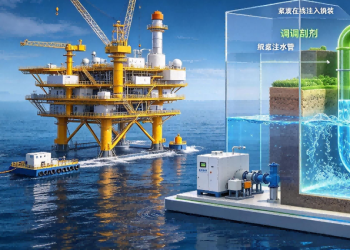
Operational space and equipment layout on offshore platforms are highly constrained; due to the need to recoup the high costs of offshore engineering investments, offshore oil fields generally employHigh-speed, high-intensity mining operations...while enabling a rapid return on investment, it has also exacerbated development challenges such as water intrusion and rapid decline in formation pressure.
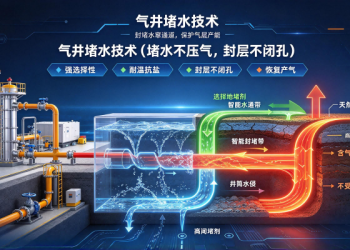
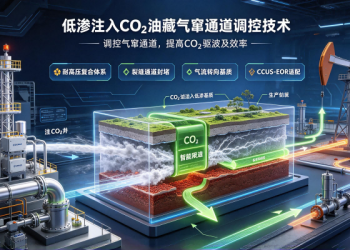
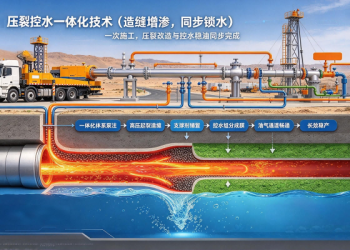
Shengli Shenghua possesses a field-proven, comprehensive suite of enhanced oil recovery (EOR) technologies, covering deep-well drive adjustment, selective water shutoff, viscosity reduction and cross-flow containment for heavy oil, CO₂ cross-flow control, offshore online profile adjustment, gas well water shutoff, and fracturing-based water control. These proprietary processes specifically address challenges such as cross-flow, water production, and difficulties in mobilizing crude oil in various reservoir types. They are suitable for onshore, offshore, and CCUS-EOR development scenarios, supporting oilfield water control and stable production, as well as the efficient, coordinated development of carbon capture and storage.
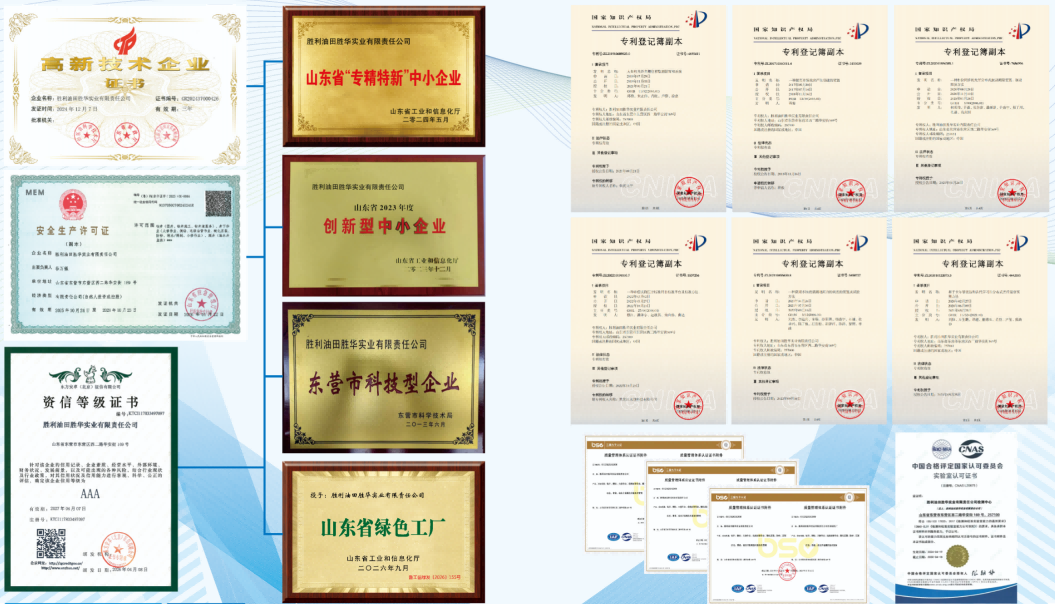
Shengli Shenghua has established two R&D centers and one CNAS-accredited testing laboratory, and holds 65 invention patents. The company has been awarded numerous honors, including National High-Tech Enterprise, Innovative SME, Shandong Province “Specialized, Refined, Distinctive, and New” SME, Shandong Province Green Factory, and Shandong Province Manufacturing Single-Champion.
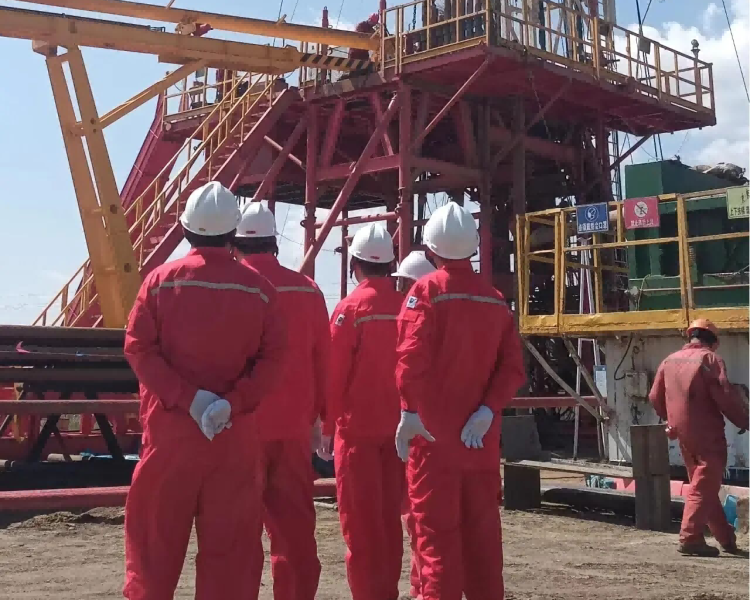
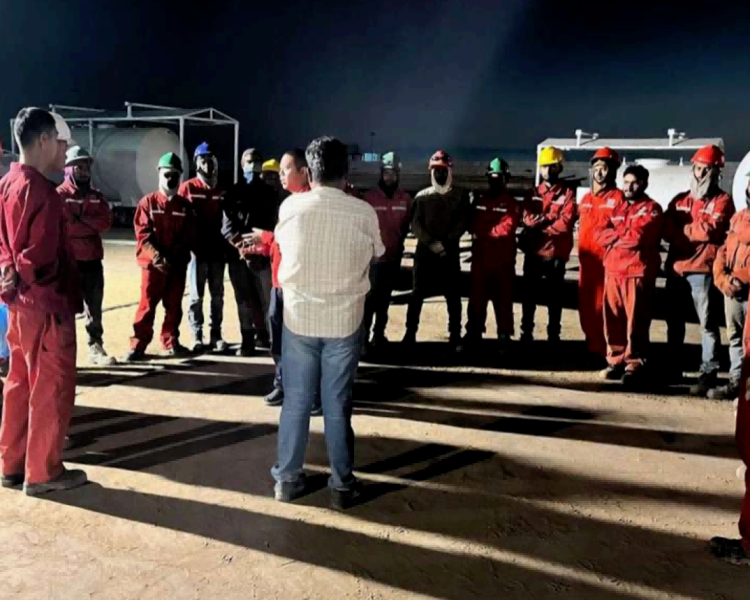
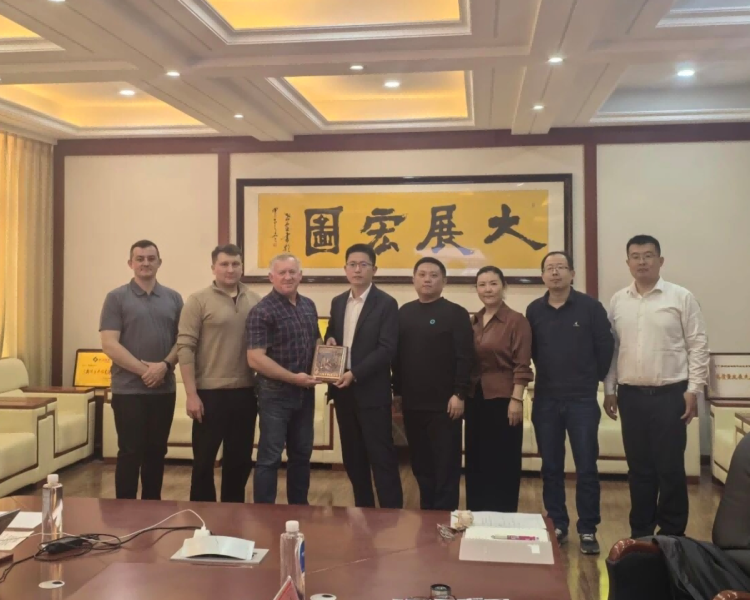
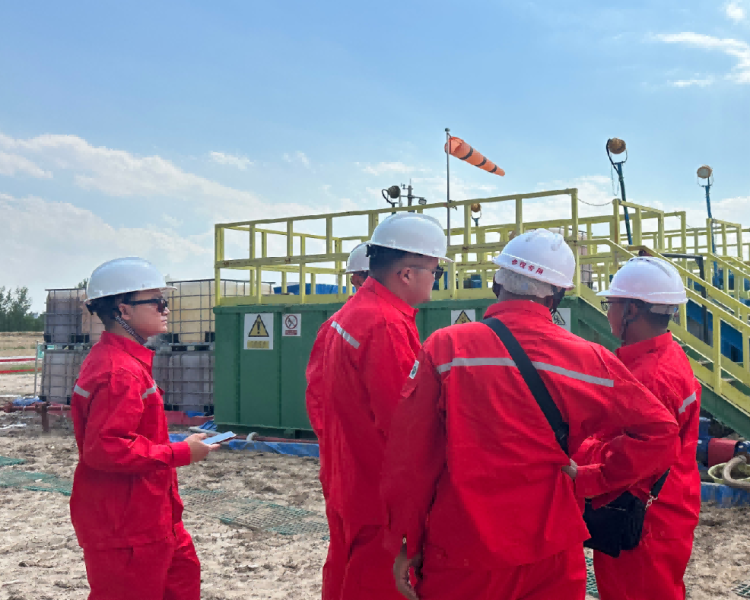
Leveraging a large-scale smart oilfield model, the company integrates the entire chain of equipment, data, and decision-making to empower the intelligent upgrading of oil and gas production. It enables early warning of equipment failures, dynamic optimization of production conditions, and intelligent energy consumption analysis, supporting coordinated, multi-dimensional business decision-making and utilizing digital capabilities to facilitate efficient and stable oilfield development.
Using a large-scale smart oilfield model, intelligently analyze seismic profile data,Automatically identifies and maps the spatial morphology of faults, efficiently and accurately pinpoints fault structures, reduces the time required for manual interpretation and minimizes ambiguity, and supports the evaluation of oil and gas reservoirs and the optimization of development plans.
Leveraging a large-scale smart oilfield model and integrating multi-source data from seismic, logging, and geological sources, this approach converts seismic profiles into high-precision subsurface reservoir property parameters, provides a detailed characterization of reservoir spatial distribution, reduces the multiplicity of inversion solutions, and supports sand body prediction and well location optimization.
Leveraging a large-scale smart oilfield model and integrating multi-source data from seismic, drilling, and geological surveys, the system intelligently constructs 3D seismic-geological models of subsurface strata and structures, thereby improving model accuracy, shortening the modeling cycle, and providing a reliable foundation for oil and gas reservoir evaluation and numerical simulation.
Traditional oilfield planning relies on expert experience, and the process of comparing alternatives and calculating benefits is labor-intensive, making it difficult to quickly assess the long-term effectiveness of various development scenarios. By leveraging a large-scale oilfield model, data on geology, reservoirs, well engineering, surface facilities, and economic evaluations can be integrated to rapidly simulate production dynamics under different development strategies. This enables the comparison of multiple scenarios, provides digital planning recommendations, supports clients in making informed decisions, and reduces the costs associated with trial and error.
Integrate operational data from all station equipment—including metering, heating, separation, and pumping systems—into the oilfield’s large-scale model to automatically identify abnormal operating conditions, provide early warnings of potential equipment issues, intelligently adjust production parameters, reduce the need for manual monitoring, ensure safe and stable production at the station, and lower energy consumption.
Centered on a smart oilfield large language model, this system integrates multimodal data—including visible light, infrared, ultrasound, sensor monitoring, and drone inspections—to build an intelligent inspection engine for oil and gas equipment and facilities; It enables the automatic identification, quantitative assessment, and remaining-life prediction of corrosion, leaks, deformation, cracks, and insulation defects in equipment such as pipelines, storage tanks, pumps, valve assemblies, pressure vessels, and electrical instruments. The system is adaptable to complex operating conditions in both onshore and offshore oilfields, reduces the risks associated with manual inspections, and facilitates a transition from “scheduled maintenance” toPredictive MaintenanceTransform to reduce unplanned downtime.
Vision: Focusing on oil and gas development to build a high-value, globally trusted benchmark in the oilfield services industry
Mission: Overcoming the Challenges of Developing Mature Oilfields to Fully Unlock the Value of Low-Efficiency Oil and Gas Resources
Values: Rewarded for Contributions, Dignity Through Professionalism
Business Philosophy: Cost-effective solutions, integrated services, platform-based operations
 简体中文 简体中文 简体中文
 Русский
 Français
 العربية
 Español
 English 简体中文 简体中文 简体中文 Русский
Français
العربية
Español
English